锂电池及常见危险品运输规定
《中国人民共和国民法典》第八百一十八条
旅客不得随身携带或者在行李中夹带易燃、易爆、有毒、有腐蚀性、有放射性以及可能危及运输工具上人身和财产安全的危险物品或者违禁物品。
旅客违反前款规定的,承运人可以将危险物品或者违禁物品卸下、销毁或者送交有关部门。旅客坚持携带或者夹带危险物品或者违禁物品的,承运人应当拒绝运输。
一、 锂电池规定

| 备用锂电池禁止放入托运行李,只能携带登机,并应单个做好保护以防止短路(放入原零售包装或以其他方式将电极绝缘,如在暴露的电极上贴胶带,或将每个电池放入单独的塑料袋或保护盒中)。 |
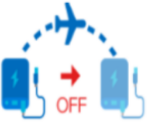
| 锂电池移动电源(充电宝)应视为备用锂电池,并在飞机飞行过程中处于关闭状态,禁止放入头顶行李架内。应放在易于监控和处置的位置,如前排座椅下的手提行李中或座椅靠背口袋等。 |

| 携带登机的备用锂电池额定能量不得超过160Wh(锂离子电池)或8g(锂金属电池);当额定能量>100Wh、≤160Wh,或>2g、≤8g(仅限便携式医疗电子设备)时必须经公司批准。 |
|
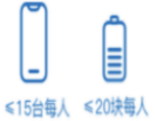
每人携带便携式电子设备总数不得超过15台,备用电池总数不得超过20块。 |
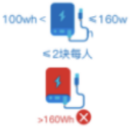
| 每位旅客乘坐航班最多可携带2个移动电源(充电宝),且每个移动电源(充电宝)的额定能量不超过160Wh;当额定能量>100Wh、≤160Wh时必须经公司批准。严禁携带额定能量超过160Wh的锂电池。 电动轮椅请遵守电动轮椅运输规定。 |
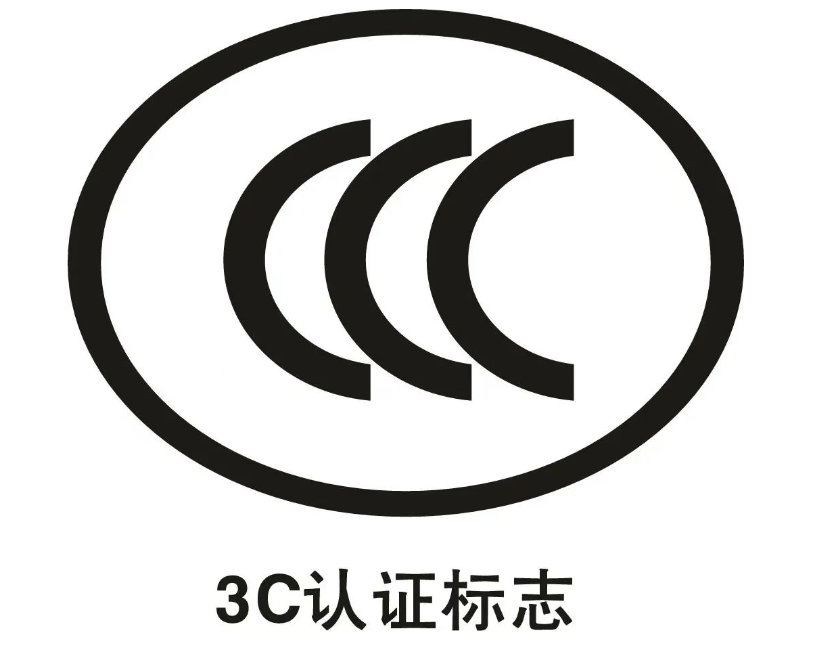
| 禁止旅客携带没有3C标识、3C标识不清晰、已被召回型号或批次的充电宝乘坐境内(不含港澳台)航班,相关召回信息可在https://www.samrdprc.org.cn/xfpzh/xfpgnzh/查询。 |
二、 禁止旅客随身携带或者托运的危险品
(1) 内含危险物品如锂电池和/或烟火物质的保密型行李,如外交公文包、现金箱、保险箱、密码箱等的安全类设备。满足 DGR 2.3.2.6 规定的此类设备除外。
(2) 爆炸物品类、爆破器材、烟火制品和上述物品的仿制品。国家警卫人员执行公务携带弹药等涉及航空安全保卫相关规定的除外,按公安部门相关要求执行。
(3) 易燃、易爆物品,包括压缩、液化气体,易燃液体,易燃固体、自燃物品、遇水燃烧物品和各种有机、无机氧化剂等。
(4) 毒害品,包括氰化物、剧毒农药等剧毒物品。
(5) 腐蚀性物品,包括硫酸、盐酸、硝酸、有液蓄电池、氢氧化钠、氢氧化钾等。
(6)
放射性物品,包括放射性同位素等。禁止化学武器组织(OPCW)成员公务旅行时,作为手提行李或托运行李携带的含有超过国际民航组织《危险物品航空安全运输技术细则》2-12表中指定的活度限制的放射性物品的设备。(例如:化学试剂监控器(CAM)和/或快速警报和鉴定设备监控器(RAID-M))。
(7) 含有刺激性物质、使人丧失能力的物质或使人致残的设备,例如催泪瓦斯、胡椒粉喷雾等可造成人身伤害的物品。
(8) 医用小型气态氧气瓶、空气瓶及含有液态氧的个人医疗氧气设备。如应急救援需要,旅客应事先向公司申请,由公司配备提供。
(9) 生产厂家召回的有安全缺陷的锂电池;额定能量超过160Wh的锂离子电池或电池组,锂金属含量超过8克的锂金属电池或电池组(锂电池驱动的轮椅或行动辅助设备除外);无法确定锂含量或额定能量的锂电池(例如标注不清晰或未标注,且无其他证明)。
(10) 电休克武器(例如泰瑟电击枪)。
(11) 其他危害飞行安全的物品,如可能干扰飞机上各种仪表正常工作的强磁化物、有强烈刺激性气味的物品等。
(12) 个人自用安全火柴或安全型打火机,含锂电池驱动的点烟器、打火机。本条“安全火柴或打火机”还包括摩擦火柴、万次火柴、小型香烟打火机、点火器、打火机燃料、打火机充气储筒等。
(13) 装有溢漏型电池的轮椅或行动辅助设备。
(14) 锂电池驱动的小型便携车,如智能平衡车、电动滑板车、电动折叠智能自行车、电动独轮车等。
(15) 配备锂电池的行李箱(含智能骑行行李箱),电池不可拆卸的,锂金属电池锂含量超过0.3g或锂离子电池额定能量超过2.7Wh。
三、常见危险品运输规定
1. 酒精饮料
2. 干冰
3. 便携式电子装置(例如手表、计算器、照相机、手机、手提电脑、便携式摄像机)
4. 电池驱动的助行器
5. 为医疗用途携带便携式医疗电子装置
6. 配备锂电池的行李箱
7. 含电池的电子烟(包括电子雪茄、电子烟斗以及个人雾化器)
8. 非放射性药品(包括气溶胶)
9. 梳妆品(发胶和香水等,包括气溶胶)
10. 用于体育运动或家庭的气溶胶
具体规定如下(充电宝携带数量参照本规定第一条 “锂电池规定” 相关要求执行):
序号 | 用品或物品 | 位置 | 是否需要公司批准 | 限制 |
托运 行李 | 手提 行李(含带在身上) |
1 | 酒精饮料 | 是 | 是(仅限候机楼隔离区或机上购买的免税品) | 否 | 1)酒精饮料不应置于手提行李(含带在身上)登机,候机楼隔离区或机上购买的免税品除外,条件是有购物凭证且经安全检查确认无疑。 2)可作为托运行李交运,但应在零售包装内,并且每个容器不应超过5L。 3)托运的酒精饮料的数量应符合以下规定: a)酒精含量小于或等于24%的不受限制; b)酒精含量24%—70%(含)之间的每人交运净数量不超过5L; c)酒精含量大于70%不得作为行李运输。 |
2 | 干冰 | 是 | 是 | 是 | 1)每人不超过2.5kg;
2)其包装件必须可以释放二氧化碳气体; |
3 | 便携式电子装置(例如手表、计算器、照相机、手机、手提电脑、便携式摄像机) |
(1) | 内含锂金属或锂离子电池芯或电池的便携式电子装置(内含锂金属或锂离子电池芯或电池其主要用途是为另一装置供电的物品,必须按照下面一项,作为备用电池予以运载) | 是 | 是 | 否 |
1) 旅客为个人自用携带。设备必须采取措施防止意外启动和受到损坏; 2) 每一电池不得超过以下限制: a) 对于锂金属电池,锂金属含量不超过2g; b) 对于锂离子电池,额定能量不得超过100wh; 3) 便携式电子装置和便携式医疗电子装置每人至多可携带所有设备的总量不得超过15台。能产生高热的设备中的电池或发热单元,需将发热单元、电池或其它部件移开独立放置。 4) 设备应放入手提行李中,如作为托运行李,必须完全切断电源(非睡眠或休眠等模式),除非设备仅包含锂电池不超过:锂金属电池0.3g或锂离子电池2.7Wh。 5) 电池和电池芯的所属类型必须符合联合国《试验和标准手册》第III部分38.3小节规定的每项试验的要求。 公司禁止运输锂电池驱动的小型便携车,如智能平衡车、电动滑板车、电动折叠智能自行车、电动独轮车等。 |
(2) | 内含锂金属或锂离子电池芯或电池的便携式电子装置的备用电池(包括移动电源) | 否 | 是 | 否 | 1)旅客为个人自用携带。 2)每人可携带所有备用/零散的电池,包括锂金属不超过2g,锂离子不超过100Wh的锂电池,总量不得超过20块。
3)电池必须单个做防短路保护(放入原零售包装或电极分别绝缘保护,如,用胶带缠住暴露的电极或每个电池分别放入塑料袋或保护袋)。 4) 电池和电池芯的所属类型必须符合联合国《试验和标准手册》第III部分38.3小节规定的每项试验的要求。 5) 移动电源(充电宝)在飞行全程禁止使用 |
(3) | 内含额定能量超过100wh但不超过160wh的锂离子电池的便携式电子装置 | 是 | 是 | 是 |
1) 旅客为个人自用携带。设备必须采取措施防止意外启动和受到损坏; 2) 设备应放入手提行李中,如作为托运行李,必须完全切断电源(非睡眠或休眠等模式) 3)每人至多可携带此类备用电池总量不得超过2块。 4)电池必须单个做防短路保护(放入原零售包装或电极分别绝缘保护,如,用胶带缠住暴露的电极或每个电池分别放入塑料袋或保护袋)。 5) 电池和电池芯的所属类型必须符合联合国《试验和标准手册》第III部分38.3小节规定的每项试验的要求。 6)能产生高热的设备中的电池或发热单元,需将发热单元、电池或其它部件移开独立放置。 |
(4) | 内含额定能量超过100wh但不超过160wh的锂离子电池的便携式电子装置的备用电池(包括移动电源) | 否 | 是 | 是 |
4 | 电池驱动的助行器 |
(1) | 装有符合IATA《危险品规则》特殊规定A67的密封型湿电池或符合特殊规定A123的干电池或A199的镍氢电池的轮椅或行动辅助设备,供由于残障、健康或年龄原因而行动受限或暂时行动不便(例如腿断了)的旅客使用 | 是 | 否 | 是 |
1)电池为以下二者之一:
(a) 通过助行器的设计提供充分的防损坏保护并牢固地固定在轮椅或助行器上(如需通过工具方可将其牢固安装在轮椅或助行器上)。电路必须按照制造商的说明书断开;或 (b) 按照制造商的说明书卸下。如无需通过工具即可将其卸下,此类电池应被卸下。 2)电池两极已做防止短路保护,例如装在电池容器内;
3)每位旅客可以携带:
(a) 一块备用的符合特殊规定A67的密封型湿电池;
(b) 两块符合特殊规定A123的干电池或A199的镍氢电池。
4)建议旅客提前通知公司做好预先安排。
|
(2) | 由锂离子电池驱动的代步工具(例如轮椅),供由于残障、健康或年龄原因而行动受限或暂时行动不便(例如腿断了)的旅客使用 | 是 | 否 | 是 | 1)电池为以下二者之一:
(a) 通过助行器的设计提供充分的防损坏保护并牢固地装在轮椅或助行器上(如需通过工具方可将其牢固安装在轮椅或助行器上)。电路必须按照生产商的说明书断开;或 (b) 按照制造商的说明书卸下。如无需通过工具即可将其卸下,此类电池应被卸下。卸下的每块电池禁止超过300Wh。 2)电池两极已经做好防止短路(例如将电池封装在电池盒内);
3)每位旅客最多可携带1个不超过300wh的备用电池,或2个各不超过160wh的备用电池。拆下的电池和备用电池只能作为手提行李(含带在身上)。
4)电池和电池芯的所属类型必须符合联合国《试验和标准手册》第III部分38.3小节规定的每项试验的要求。
5)建议旅客提前通知公司做好预先安排。
|
5 | 为医疗用途携带便携式医疗电子装置 |
(1) | 内含不超过2g锂金属电池芯或电池或者不超过100wh的锂离子电池芯或电池的便携式医疗电子装置 | 是 | 是 | 否 | 1) 旅客为医疗用途携带,设备必须采取措施防止意外启动和受到损坏。 2)设备应放入手提行李中,如作为托运行李,必须完全切断电源(非睡眠或休眼等模式),除非设备仅包含锂电池不超过:锂金属电池0.3g或锂离子电池2.7Wh。 3) 备用电池必须单个做好保护以防短路(放入原零售包装或以其它方式将电极绝缘,如在暴露的电极上贴胶带,或将每个电池放入单独的塑料袋或保护盒当中)。移动电源(充电宝)在飞行全程禁止使用。 4) 每一已安装电池或备用电池所属类型必须符合联合国《试验和标准手册》第III部分38.3小节规定的每项试验的要求。 5) 每人可携带所有便携式电子装置和便携式医疗电子装置总量不得超过15台;能产生高热的设备中的电池(适用于干电池 、锂电池、镍氢电池)或发热单元,需将发热单元、电池或其它部件移开独立放置。 6) 每人可携带所有备用/零散的电池,包括锂金属不超过2g,锂离子不超过100Wh的锂电池,总量不得超过20块。
|
(2) | 内含不超过2g锂金属电池芯或电池或者不超过100wh的锂离子电池芯或电池的便携式医疗电子装置的备用电池(包括移动电源) | 否 | 是 | 否 |
(3) | 内含超过2g但不超过8g锂金属电池或者超过100wh但不超过160wh的锂离子电池的便携式医疗电子装置 | 是 | 是 | 是 | 1)旅客为医疗用途携带,设备必须采取措施防止意外启动和受到损坏。 2)设备应放入手提行李中,如作为托运行李,必须完全切断电源(非睡眠或休眠等模式)。 3)备用电池每人携带不得超过2块; 4)备用电池必须单个做好保护以防短路(放入原零售包装或以其它方式将电极绝缘,如在暴露的电极上贴胶带,或将每个电池放入单独的塑料袋或保护盒当中)。移动电源(充电宝)在飞行全程禁止使用。 5) 电池和电池芯的所属类型必须符合联合国《试验和标准手册》第III部分38.3小节规定的每项试验的要求。 6)能产生高热的设备中的电池(适用于干电池 、锂电池、镍氢电池)或发热单元,需将发热单元、电池或其它部件移开独立放置。
|
(4) | 内含超过2g但不超过8g锂金属电池或者超过100wh但不超过160wh的锂离子电池的便携式医疗电子装置的备用电池(包括移动电源) | 否 | 是 | 是 |
6 | 配备锂电池的行李箱(含智能骑行行李箱) |
(1) | 内含锂电池的行李箱 | 是 | 是 | 否 | 1)若行李箱设计是电池可以拆卸的,锂金属电池锂含量不超过2g或锂离子电池额定能量不超过100Wh。如果要办理行李托运,必须将电池拆下,并将电池带入客舱,不得托运。拆下的电池视为备用锂电池,必须单独保护防止短路; 2)若行李箱设计是电池不可拆卸的,锂金属电池锂含量不超过0.3g或锂离子电池额定能量不超过2.7Wh; 3)若行李箱带有GSM功能,则在飞行全程中应关闭或处于飞行模式; 4) 电池和电池芯的所属类型必须符合联合国《试验和标准手册》第III部分38.3小节规定的每项试验的要求。 |
(2) | 内含锂电池的行李箱的备用电池(包括移动电源) | 否 | 是 | 否 | 1)锂金属电池锂含量不超过2g或锂离子电池额定能量不超过100Wh; 2)电池必须单个做防短路保护(放入原零售包装或电极分别绝缘保护,如,用胶带缠住暴露的电极或每个电池分别放入塑料袋或保护袋)。 3) 电池和电池芯的所属类型必须符合联合国《试验和标准手册》第III部分38.3小节规定的每项试验的要求。 4)移动电源(充电宝)在飞行全程禁止使用。 |
(3) | 内含额定能量超过100wh但不超过160wh锂离子电池的行李箱 | 是 | 是 | 是 | 1)若行李箱设计是电池可以拆下的,必须将电池拆下,并将电池带入客舱,不得托运。拆下的电池视为备用锂电池,必须单独保护防止短路; 2)若行李箱设计是电池不可拆下的,禁止运输; 3)若智能行李带有GSM功能,则在飞行全程中应关闭或处于飞行模式; 4) 电池和电池芯的所属类型必须符合联合国《试验和标准手册》第III部分38.3小节规定的每项试验的要求。 |
(4) | 内含额定能量超过100wh但不超过160wh锂离子电池的行李箱的备用电池(包括移动电源) | 否 | 是 | 是 | 1)每人携带最多不得超过2块; 2)电池必须单个做防短路保护(放入原零售包装或电极分别绝缘保护,如,用胶带缠住暴露的电极或每个电池分别放入塑料袋或保护袋)。 3) 电池和电池芯的所属类型必须符合联合国《试验和标准手册》第III部分38.3小节规定的每项试验的要求。 4)移动电源(充电宝)在飞行全程禁止使用。 |
7 | 含电池的电子烟(包括电子雪茄、电子烟斗以及个人雾化器) | 否 | 是 | 否 | 1)为旅客个人使用,这类物品应采取措施,避免意外启动。
2)只能在手提行李中携带,且不允许在客舱内使用和充电。 3)备用电池(包括移动电源)必须单个做好保护以防止意外启动(放入原零售包装或以其它方式将电极绝缘,如在暴露的电极上贴胶带,或将每个电池放入单独的塑料袋或保护盒当中),仅能在手提行李中携带。移动电源(充电宝)在飞行全程禁止使用。 4)锂金属电池锂含量不超过2g,锂离子电池额定能量不超过100Wh。
5)电池和电池芯的所属类型必须符合联合国《试验和标准手册》第III部分38.3小节规定的每项试验的要求。
6)数量限制:属于便携式电子装置,按照便携式电子装置要求执行。 |
8 | 非放射性药品(包括气溶胶) | 是 | 是 | 否 |
1)每人可携带的每一单件药品的总净数量不得超过0.5kg或0.5L; 2)气溶胶释放阀必须由盖子或其它适当的手段保护,以防止意外释放内装物; 3)糖尿病患者或者其他患者携带必需的液态物品,应进行安全检查,并向安检人员出示医生处方或医院证明,或经液态物品检测仪检查确认无疑的,可作为手提行李。 4)每人可携带的非放射性药品、梳妆用品和运动或家用的无次要危险性的气溶胶,三种总净数量不得超过2KG或2L。 |
9 | 梳妆品(发胶和香水等,包括气溶胶) | 是 | 是 | 否 |
1)作为托运行李,每人可携带的单件物品净数量不应超过0.5kg或0.5L。 2)作为手提行李时,每种化妆品限带1件,其容器容积应不超过100ml,并应置于独立袋中,接受开瓶检查,液态物品总量应不超过1L。 |
10 | 用于体育运动或家庭的气溶胶 | 是 | 否 | 否 |
1) 属于2.2项非易燃无毒气体且无次要危险性。 2)每一单件物品的总净数量不得超过0.5kg或0.5L; 3)气溶胶释放阀必须由盖子或其它适当的手段保护,以防止意外释放内装物; 4)每人可携带的非放射性药品、梳妆用品和运动或家用的无次要危险性的气溶胶,三种总净数量不得超过2KG或2L。 |
其它危险品行李运输规定详情请咨询春秋航空在线客服。
————————————————————————————————————————
Regulations on Transportation of Lithium Batteries and Common Dangerous Goods
Article 818 of Civil Code of the People's Republic of China
Passengers
must not carry with them or in their baggage flammable, explosive,
poisonous, corrosive, radioactive and dangerous or prohibited articles
that may endanger the safety of persons and property on the means of
transportation.
If a passenger violates the provisions of the
preceding paragraph, the carrier may unload or destroy the dangerous or
prohibited articles or hand them over to the relevant authorities. If a
passenger insists on carrying or secretly carrying dangerous or
prohibited articles, the carrier shall refuse to transport them
I. Regulations on Lithium Batteries
| Spare lithium batteries are prohibited from being placed in checked baggage and should only be carried on board and individually protected to prevent short-circuiting (placed in the original retail packaging or otherwise insulated for electrodes, such as taping over exposed electrodes, or placing each battery in a separate plastic bag or protective case). |
| Lithium mobile batteries (power bank) should be considered as spare lithium batteries and be turned off during the flight. Placing them in overhead bins is prohibited. They shall be stored in an easily monitored and accessible location, such as in carry-on baggage under the front seat or in the seatback pocket.. |
| Spare lithium batteries carried on board shall not exceed 160Wh for lithium-ion batteries or 8g for lithium-metal batteries in terms of rated capacity. For those with rated energy exceeding 100Wh but not exceeding 160Wh, or weighing more than 2g but no more than 8g (limited to medical electronic devices only), prior approval from the company is required.h (lithium-ion batteries) or 2g (lithium-metal batteries) in rated energy. |

|
The total number of portable electronic devices per person must not exceed 15, and the total number of spare batteries must not exceed 20. |
| Each passenger may carry a maximum of two mobile chargers (power banks) on a flight, each with a rated energy not exceeding 160Wh. Power banks with rated energy above 100Wh but not exceeding 160Wh require prior approval from the company. Carrying lithium batteries with rated energy exceeding 160Wh is strictly prohibited. For electric wheelchairs, please follow the transportation regulations for electric wheelchairs. |
| Passengers are prohibited from taking domestic flights (excluding Hong Kong, Macau and Taiwan flights) with power banks that do not have the China Compulsory Certification (CCC) marking, the CCC marking is not clear, or the model or batch that has been recalled, and the relevant recall information can be found at https://www.samrdprc.org.cn/xfpzh/xfpgnzh/. The power banks are prohibited from being placed in the luggage rack. |
II. Prohibited dangerous goods to be carried on board or as checked baggage for passengers
(1)
The security-type luggage, including diplomatic briefcase, cash case,
safe, password case and other safety devices, containing hazardous
materials such as lithium batteries or pyrotechnic materials. The
equipment meeting regulations of DGR 2.3.2.6 is excluded.
(2)
Explosives, blasting equipment, pyrotechnic products and imitations of
these items. In addition, the conditions listed in Aviation Security
Manual, such as the state guard carrying ammunitions for official
affairs, shall be implemented complying with relevant requirements in
Aviation Security Manual.
(3)
Flammable, explosives, including compressed, liquefied gases, flammable
liquids, flammable solids, spontaneously combustible materials,
combustible materials in contact with water and a variety of organic and
inorganic oxidizer, etc.
(4) Poisons, including cyanide, toxic pesticides and other toxic materials.
(5)
Corrosive materials, including sulfuric acid, hydrochloric acid, nitric
acid, liquid batteries, sodium hydroxide, potassium hydroxide and so
on.
(6)
Radioactive materials, including radioactive isotopes, are prohibited
for the Prohibition of Chemical Weapons (OPCW) members to have device(s)
of radioactive materials exceeding the limited activities as specified
in Table 2-12 of "Technical Instructions of Air Transport for Dangerous
Goods" (ICAO) in their carry-on luggage and checked luggage during their
official travel (for example: chemical agents Monitor (CAM) and/or
rapid alert and identification monitoring devices (RAID-M))
(7)
Substances or equipment containing irritating components or
incapacitating people, such as tear gas, pepper spray and other items
that can cause personal injury.
(8)
Gaseous oxygen or air cylinders required for medical use and liquefied
oxygen equipment, as well as personal used medical liquefied oxygen
equipment. If it is required by emergency rescue, passengers shall apply
to the company in advance, and the company is responsible for the
supply.
(9)
Lithium battery that is recalled by the manufacturer due to quality
problem; lithium ion batteries or battery packs with rated energy
exceeds 160Wh, and lithium metal batteries or battery packs with lithium
content exceeds 8g (wheelchairs or mobility aids powered by lithium
batteries are excluded). The lithium battery of which the lithium or the
rated energy can’t be confirmed. (e.g. the label is not clear or not
marked, and short of other evidences);
(10) Electrical shock weapon (eg. Taser stun gun)
(11) Other
items endangering flight safety, such as strong magnetic materials that
may interfere with a variety of instruments on board, materials with a
strong pungent smell.
(12)
Safety matches or lighter for personal use, including lighters powered
by lithium battery; except for crewmembers, and the crewmember can carry
one small box of safety matches or one safety lighter. The safety
matches or lighter in this item also including friction matches, million
matches or small cigarette lighter, igniter, lighter fuel and lighter
refills, etc.
(13) Wheelchairs or mobility aids with spillable batteries;
(14)
Small lithium battery-powered vehicles, such as smart balance vehicles,
electronic scooter, electronic smart folding bicycle, electronic
monocycle and so on.
(15) Baggage
equipped with battery (including smart cycling suitcase), of which the
battery can’t be removed, and with a lithium metal content exceeding 0.3
g or a Watt-hour or rating exceeding 2.7 Wh.
III. Regulations on transportation of common dangerous goods
1.Alcoholic beverages
2.Dry ice
3.Portable electronic devices (e.g., watches, calculators, cameras, cell phones, laptops, portable video cameras)
4.Battery-driven mobility aids
5.Portable medical electronic devices for medical purposes
6.Suitcase equipped with lithium batteries
7.Battery-containing e-cigarettes (including e-cigars, e-pipes, and personal atomizers)
8.Non-radioactive medical articles (including aerosols)
9.Toiletries (hairsprays and perfumes, including aerosols)
10.Aerosols for sports or home use
Specific provisions are as follows (the permitted carry-on quantity of power banks shall be implemented in accordance with the relevant requirements of Article 1 “Regulations on Lithium Batteries” of these regulations):
No. | Items or articles | Location | Approval of the company is required | Restrictions |
Checked baggage | Carry-on baggage(including on one’s person) |
1 | Alcoholic beverages | Yes | Yes (only for tax free goods bought onboard or in the airport sterile area) | No |
1)Alcoholic
beverage is not allowed to be carried in carry-on baggage (including on
one’s person), except for the tax free goods bought onboard or in the
airport sterile area, while the receipt shall be provided and pass the
security check. 2)Alcoholic
beverage can be transported as checked baggage, but they shall be in
retail packagings, and each receptacle must not exceed 5L. 3)The amount of alcoholic beverage in checked baggage shall comply with following requirements: a) Alcoholic beverages containing 24% or less alcohol by volume are not subject to any restrictions; b)Alcoholic beverages containing more than 24% but not more than 70% alcohol by volume, with a total net quantity per person of 5 L; c)Alcoholic beverages containing more than 70% alcohol by volume must not be transported as checked baggage. |
2 | Dry ice | Yes | Yes | Yes | 1)No more than 2.5KG per person.
2)The package must permit the release of carbon dioxide gas. |
3 | Portable electronic devices (e.g., watches, calculators, cameras, cell phones, laptops, portable video cameras) |
(1) | Portable electronic devices containing lithium metal or lithium ion cells or batteries (articles containing lithium metal or lithium ion cells or batteries, the primary purpose of which is to provide power to another device, must be carried as spare batteries, as the next item)
| Yes | Yes | Yes | 1)Passengers or the crew can carry for personal use. The devices must be protected against accidental activation and damage. 2) Each battery must not exceed: (a) For lithium metal batteries, a lithium metal content of not more than 2 g; (b) For lithium ion batteries, a watt-hour rating of not more than 100 Wh. 3)Portable electronic devices and portable medical electronic devices must not exceed a total of 15 units per passenger. For batteries or heat generating units in equipment capable of generating high heat, heat generating units, batteries or other components shall be removed and placed separately. 4) The devices should be placed in carry-on luggage. If transported as checked baggage, they must be completely powered off (not in sleep or hibernation mode), unless the devices contain only lithium batteries not exceeding : lithium -metal batteries 0.3g or lithium-ion batteries 2.7Wh; 5) Each cell or battery must be of a type that meets the requirements of each test in the UN Manual of Test and Criteria, Part III, subsection 38.3. ment of small lithium battery-powered vehicles is forbidden in Spring Airlines, including smart balance vehicles, electronic scooter, electronic smart folding bicycle, and electronic monocycle and so on.
|
(2) | Spare batteries for portable electronic devices containing lithium metal or lithium ion cells or batteries (including mobile power) | No | Yes | No | 1)Passengers can carry for personal use.
2)Each
passenger may carry up to a total of 20 pieces of spare/loose
batteries, including lithium batteries not exceeding 2g of lithium metal
and 100Wh of lithium ion. 3)Spare
batteries must be individually protected to prevent short circuits (by
placement in the original retail packaging or by otherwise insulating
terminals, e.g. by taping over exposed terminals or placing each battery
in a separate plastic bag or protective pouch). 4)
Each cell or battery must be of a type that meets the requirements of
each test in the UN Manual of Test and Criteria, Part III, subsection
38.3. 5)Power banks (mobile chargers) are prohibited from use throughout the flight |
(3) | Portable electronic devices containing lithium ion batteries with a Wh rating exceeding 100 Wh but not exceeding 160 Wh | Yes | Yes | Yes | 1)Passengers can carry for personal use. The devices must be protected against accidental activation and damage. 2)The devices should be placed in carry-on luggage.If transported as checked baggage, they must be completely powered off (not in sleep or hibernation mode). 2)If
devices are carried as checked baggage, must take measures to prevent
unintentional activation and damage; totally shut down the power (not
sleep mode or hibernation mode and so on).
3)Each passenger may carry such spare batteries not exceeding 2 pieces in total. 4)Spare
batteries must be individually protected to prevent short circuits (by
placement in the original retail packaging or by otherwise insulating
terminals, e.g. by taping over exposed terminals or placing each battery
in a separate plastic bag or protective pouch).
5)Each cell or
battery must be of a type that meets the requirements of each test in
the UN Manual of Test and Criteria, Part III, subsection 38.3.
6)For
batteries or heat generating units in equipment capable of generating
high heat, heat generating units, batteries or other components shall be
removed and placed separately. |
(4) | Spare
batteries for portable electronic devices containing lithium ion
batteries with a Wh rating exceeding 100 Wh but not exceeding 160 Wh | No | Yes | Yes |
4 | Battery-powered mobility aids |
(1) | Battery-powered
wheelchairs or mobility aids for use by passengers whose mobility is
restricted by either a disability, their health or age, or a temporary
mobility problem (e.g. broken leg), with non-spillable wet batteries
which comply with
Special Provision A67 or nickel-metal hydride batteries which comply
with Special Provision A199 or dry batteries which comply with Special
Provision A123 in IATA Dangerous Goods Regulations, | Yes | No | Yes |
1) The battery meets one of the following two conditions:
a)
It is provided with sufficient protection against damage through
the design of the mobility aid and is firmly fixed on the
wheelchair or the mobility aid (if they can be firmly mounted to wheelchairs or mobility aids with tools).The circuit must be disconnected
in accordance with the manufacturer’s instructions; or
b) It is removed in accordance with the manufacturer’s instructions.If such batteries can be removed without using tools, they shall be removed.
2) The battery terminals are protected from short circuits by, for example, being installed in a battery container;
3) A passenger may carry:
a) one spare wet, non-spillable battery meeting Special Provision A67;
b)-or two spare nickel-metal hydride batteries meeting Special Provision A199 or dry batteries meeting Special Provision A123.
4) It is recommended that passengers notify the company in advance, so that the latter can make prior arrangements |
(2) | Battery-powered
mobility aids (such as wheelchair) with lithium ion batteries for use
by passengers whose mobility is restricted by either a disability, their
health or age, or a temporary mobility problem (e.g. broken leg) | Yes | No | Yes | 1)The battery meets one of the following two conditions:
(a)
It is provided with sufficient protection against damage through
the design of the mobility aid and is firmly fixed on the
wheelchair or the mobility aid (if they can be firmly mounted to wheelchairs or mobility aids with tools).The circuit must be disconnected
in accordance with the manufacturer’s instructions; or
(b)It is removed in accordance with the manufacturer’s instructions. If such batteries can be removed without using tools, they shall be removed. Each battery removed from the mobility aid must not exceed 300Wh.
Note: When the lithium battery is still installed in the mobility aid, there is no watt-hour limit.
2)The battery terminals are protected from short circuits by, (for example, being enclosed within a battery container);
3)Each
passenger may carry 1 spare battery not exceeding 300Wh, or 2 batteries
not exceeding 160Wh each. The removed batteries and spare batteries
must be transported as carry-on baggage (including on one’s person);
4)Each
cell or battery must be of a type that meets the requirements of each
test in the UN Manual of Test and Criteria, Part III, subsection 38.3.
5)It is recommended that passengers notify the company in advance, so that the latter can make prior arrangements.
|
5 | Portable medical electronic devices form medical use |
(1) | Portable
medical devices containing lithium metal batteries not exceeding 2g or
lithium ion cells or batteries not exceeding 100Wh | Yes | Yes | No |
1) Passenger carries form medical use; The devices must be protected against accidental activation and damage. 2) The devices should be placed in carry-on luggage. If transported as checked baggage, they must be completely powered off (not in sleep or hibernation mode), unless the devices contain only lithium batteries not exceeding : lithium metal batteries 0.3g or lithium-ion batteries 2.7Wh; 3) Spare batteries must be individually protected to prevent short circuits (by placement in the original retail packaging or by otherwise insulating terminals, e.g. by taping over exposed terminals or placing each battery in a separate plastic bag or protective pouch); Power banks (mobile chargers) are prohibited from use throughout the flight。 4) Each mounted battery or spare battery must be of a type that meets the requirements of each test in the UN Manual of Test and Criteria, Part III, subsection 38.3. 5) Portable electronic devices and portable medical electronic devices must not exceed a total of 15 units per passenger. For batteries or heat generating units in equipment capable of generating high heat, heat generating units, batteries or other components shall be removed and placed separately. These provisions apply to dry batteries, lithium batteries, nickel-metal hydride batteries. Each passenger may carry up to a total of 20 pieces of spare/loose batteries, including lithium batteries not exceeding 2g of lithium metal and 100Wh of lithium ion.
|
(2) | Spare
batteries for portable medical electronic devices containing lithium
metal cells or batteries not exceeding 2g or lithium ion cells or
batteries not exceeding 100 Wh(including mobile power)
| No | Yes | No |
(3) | Portable
medical electronic devices containing lithium metal batteries exceeding
2 g but not exceeding 8 g or lithium ion batteries exceeding 100 Wh but
not exceeding 160 Wh | Yes | Yes | Yes |
|
(4) | Spare
batteries for portable medical electronic devices containing lithium
metal batteries exceeding 2 g but not exceeding 8 g or lithium ion
batteries exceeding 100 Wh but not exceeding 160 Wh | No | Yes | Yes |
6 | Baggage equipped with lithium battery (including smart cycling suitcase): |
(1) | Baggage containing lithium battery | Yes | Yes | No | 1)If
the battery is designed to be allowed to be removed, and for lithium
metal batteries, the lithium metal content must not exceed 2g or for
lithium ion battery, the watt-hour rating must not exceed 100Wh. The
battery must be removed and carried into cabin, it is not permitted in
or as checked baggage. The removed battery is considered as spare lithium battery, and it must be individually protected to prevent short circuit; 2)If the battery cannot be removed, and for lithium metal batteries, the lithium metal content must not exceed 0.3 g, or for lithium ion battery, the watt-hour rating must not exceed 2.7Wh; 3)If the smart luggage applies GMS, then it shall be switched off or at airplane mode during the whole flight;
4)Each
cell or battery must be of a type that meets the requirements of each
test in the UN Manual of Test and Criteria, Part III, subsection 38.3. |
(2) | Spare batteries for baggage containing lithium battery(including mobile power) | No | Yes | No | 1)For
lithium metal batteries, the lithium content must not exceed 2g or for
lithium ion battery, the watt-hour rating must not exceed 100Wh;
2)The electrode must be
individually protected to prevent short circuits (by placement in the
original retail packaging or by otherwise insulating terminals, e.g. by
taping over exposed terminals or placing each battery in a separate
plastic bag or protective pouch). 3)
Each cell or battery must be of a type that meets the requirements of
each test in the UN Manual of Test and Criteria, Part III, subsection
38.3. |
(3) | Baggage containing lithiun ion batteries exceeding a watt-hour rating of 100 Wh but not exceeding 160 Wh | Yes | Yes | Yes |
1) Passenger carries for medical use; The devices must be protected against accidental activation and damage. 2) The devices should be placed in carry-on luggage.If transported as checked baggage, they must be completely powered off (not in sleep or hibernation mode). 3) Each person may carry up to 2 spare batteries; 4) Spare batteries must be individually protected to prevent short circuits (by placement in the original retail packaging or by otherwise insulating terminals, e.g. by taping over exposed terminals or placing each battery in a separate plastic bag or protective pouch);Power banks (mobile chargers) are prohibited from use throughout the flight。 5) Each cell or battery must be of a type that meets the requirements of each test in the UN Manual of Test and Criteria, Part III, subsection 38.3. For batteries or heat generating units in equipment capable of generating high heat, heat generating units, batteries or other components shall be removed and placed separately. These provisions apply to dry batteries, lithium batteries, nickel-metal hydride batteries.
|
(4) | Spare
batteries for portable electronic devices containing lithium ion
batteries with a Wh rating exceeding 100 Wh but not exceeding 160 Wh(including mobile power) | No | Yes | Yes | 1)No more than two spare batteries per person.
2)Spare
batteries must be individually protected to prevent short circuits (by
placement in the original retail packaging or by otherwise insulating
terminals, e.g. by taping over exposed terminals or placing each battery
in a separate plastic bag or protective pouch).
3)Each cell or
battery must be of a type that meets the requirements of each test in
the UN Manual of Test and Criteria, Part III, subsection 38.3. 4)Power banks (mobile chargers) are prohibited from use throughout the flight |
7 | Electric cigarettes which contains battery(including electric cigar, electric tobacco pipe and nebulizer for personal use) | No | Yes | No | 1)Passengers who carry these devices for personal use must take measures to prevent accidental activation.
2)Must be transported in carry-on baggage, use or charging in the cabin is not allowed. 3)Each spare battery (including mobile power) must be protected, avoiding accidental activation, and only can be carried in carry-on baggage; Power banks (mobile chargers) are prohibited from use throughout the flight 4)Lithium content of lithium metal batteries not exceeding 2g and rating of lithium-ion batteries not exceeding 100Wh.
5)Cell
or battery must be of a type that meets the requirements of each test
in the UN Manual of Test and Criteria, Part III, subsection 38.3.
6)Quantity
limit: They shall be portable electronic devices, and meet the
requirements for portable electronic devices |
8 | Non-radioactive medical articles (including aerosols) | Yes | Yes | No |
1)No more than 0.5KG or 0.5L total net quantity per single article;
2)Release
valves on aerosols must be protected by a cap or other suitable means
to prevent inadvertent release of the contents; 3)The necessary
liquid articles carried by diabetics or other patients must accept
security check, and the medical prescription or hospital proofs shall be
offed to security officers, or if they have been checked by the liquid
detector, they can be carried in carry-on baggage.
4)The
total net quantity of non-radioactive medicinal or toiletry articles
and aerosols with no secondary hazard for sports or home use carried by
per person must not exceed 2 KG or 2 L. |
9 | Toiletry articles (hair sprays and perfumes, including aerosols) | Yes | Yes | No |
1)As checked baggage, the total net quantity for each unit per person must not excess of 0.5 KG or 0.5 L
2)As
carry-on baggage (including on one’s person), each person is limited to
1 piece of the kind of cosmetics, and the volume of its container must
not exceed 100ml, and it shall be placed in an independent bag and shall
accept opening check. The total volume of liquid articles must not
exceed 1L. |
10 | Aerosols for sports or home use | Yes | No | No |
1) Aerosols in Division 2.2, with no secondary hazard. 2)No more than 0.5KG or 0.5L total net quantity per single article. 3)Aerosol release valves shall be protected with a cap or other suitable means to prevent inadvertent release of contents. 4)The
total net quantity of non-radioactive medicinal or toiletry articles
and aerosols with no secondary hazard for sports or home use carried by
per person must not exceed 2 KG or 2 L. |
Please contact Spring Airlines online customer service specialist for more regulations on transportation of dangerous goods.
春秋航空国内航线客票使用条件
一.自愿变更和自愿退票收费标准
本规则适用2024年7月15日(含)起销售的国内航线客票。
优选飞(退改优享)机票产品退改规则详见《优选飞(退改优享)产品规则》
超惠飞/优选飞自愿变更
| 舱位(主舱位) | 子舱位 | 提出变更的时间 |
| 航班起飞前7天(含)以外 | 航班起飞前3天(含)以外至7天之内 | 航班起飞前24小时(含)以外至3天之内 | 航班起飞前2小时(含)以外至24小时之内 | 航班起飞前2小时以内 | 航班离站后 |
Y/W,
S,H,V,K,L,M | A,B,C…X,Y,Z | 收取客票价5%的变更费 | 收取客票价10%的变更费 | 收取客票价20%的变更费 | 收取客票价30%的变更费 | 收取客票价40%的变更费 | 收取客票价60%的变更费 |
| N,Q,T,X,U,E | A,B,C…X,Y,Z | 收取客票价20%的变更费 | 收取客票价30%的变更费 | 收取客票价40%的变更费 | 收取客票价50%的变更费 | 收取客票价60%的变更费 | 收取客票价90%的变更费 |
| R1~R4 | A,B,C…X,Y,Z | 收取客票价20%的变更费 | 收取客票价50%的变更费 | 收取客票价60%的变更费 | 收取客票价80%的变更费 | 收取客票价90%的变更费 | 收取客票价90%的变更费 |
| P, P1~P5 |
| 收取客票价20%的变更费 | 收取客票价50%的变更费 | 收取客票价60%的变更费 | 收取客票价80%的变更费 | 收取客票价90%的变更费 | 收取客票价90%的变更费 |
| G,G1,G2 |
| 以春秋航空或春秋航空销售代理人在销售时告知到购票人或旅客的退改规则为准 |
| I |
| 按春秋航空产品规则执行 |
| O, D,J,B |
| 按春秋航空规则执行 |
超惠飞/优选飞自愿退票规则:
| 舱位(主舱位) | 子舱位 | 提出退票的时间 |
| 航班起飞前7天(含)以外 | 航班起飞前3天(含)以外至7天之内 | 航班起飞前24小时(含)以外至3天之内 | 航班起飞前2小时(含)以外至24小时之内 | 航班起飞前2小时以内 | 航班离站后 |
Y/W,
S,H,V,K,L,M | A,B,C…X,Y,Z | 收取客票价15%的退票费 | 收取客票价20%的退票费 | 收取客票价30%的退票费 | 收取客票价40%的退票费 | 收取客票价50%的退票费 | 收取客票价70%的退票费 |
| N,Q,T,X,U,E | A,B,C…X,Y,Z | 收取客票价30%的退票费 | 收取客票价40%的退票费 | 收取客票价50%的退票费 | 收取客票价60%的退票费 | 收取客票价70%的退票费 | 收取客票价 100%的退票费 |
| R1~R4 | A,B,C…X,Y,Z | 收取客票价50%的退票费 | 收取客票价70%的退票费 | 收取客票价80%的退票费 | 收取客票价90%的退票费 | 收取客票价 100%的退票费 | 收取客票价 100%的退票费 |
| P, P1~P5 |
| 收取客票价50%的退票费 | 收取客票价70%的退票费 | 收取客票价80%的退票费 | 收取客票价90%的退票费 | 收取客票价 100%的退票费 | 收取客票价 100%的退票费 |
| G,G1,G2 |
| 以春秋航空或春秋航空销售代理人在销售时告知到购票人或旅客的退改规则为准 |
| I |
| 按春秋航空产品规则执行 |
| O, D,J,B |
| 按春秋航空规则执行 |
尊享飞自愿变更规则
| 舱位(主舱位) | 子舱位 | 提出变更的时间 |
| 航班起飞前7天(含)以外 | 航班起飞前3天(含)以外至7天之内 | 航班起飞前24小时(含)以外至3天之内 | 航班起飞前2小时(含)以外至24小时之内 | 航班起飞前2小时以内 | 航班离站后 |
Y/W, S,H,V,K,L,M | A,B,C…X,Y,Z | 收取客票价5%的变更费 | 收取客票价5%的变更费 | 收取客票价10%的变更费 | 收取客票价20%的变更费 | 收取客票价30%的变更费 | 收取客票价50%的变更费 |
| N,Q,T,X,U,E | A,B,C…X,Y,Z | 收取客票价10%的变更费 | 收取客票价20%的变更费 | 收取客票价30%的变更费 | 收取客票价40%的变更费 | 收取客票价50%的变更费 | 收取客票价90%的变更费 |
| R1~R4 | A,B,C…X,Y,Z | 收取客票价10%的变更费 | 收取客票价40%的变更费 | 收取客票价50%的变更费 | 收取客票价70%的变更费 | 收取客票价80%的变更费 | 收取客票价90%的变更费 |
| P, P1~P5 |
| 收取客票价10%的变更费 | 收取客票价40%的变更费 | 收取客票价50%的变更费 | 收取客票价70%的变更费 | 收取客票价80%的变更费 | 收取客票价90%的变更费 |
| G,G1,G2 |
| 以春秋航空或春秋航空销售代理人在销售时告知到购票人或旅客的退改规则为准 |
| I |
| 按春秋航空产品规则执行 |
| O, D,J,B |
| 按春秋航空规则执行 |
尊享飞自愿退票规则
| 舱位(主舱位) | 子舱位 | 提出退票的时间 |
| 航班起飞前7天(含)以外 | 航班起飞前3天(含)以外至7天之内 | 航班起飞前24小时(含)以外至3天之内 | 航班起飞前2小时(含)以外至24小时之内 | 航班起飞前2小时以内 | 航班离站后 |
Y/W, S,H,V,K,L,M | A,B,C…X,Y,Z | 收取客票价 15%的退票费 | 收取客票价 20%的退票费 | 收取客票价 30%的退票费 | 收取客票价 40%的退票费 | 收取客票价 50%的退票费 | 收取客票价 70%的退票费 |
| N,Q,T,X,U,E | A,B,C…X,Y,Z | 收取客票价 30%的退票费 | 收取客票价 40%的退票费 | 收取客票价 50%的退票费 | 收取客票价 60%的退票费 | 收取客票价 70%的退票费 | 收取客票价 100%的退票费 |
| R1~R4 | A,B,C…X,Y,Z | 收取客票价 50%的退票费 | 收取客票价 70%的退票费 | 收取客票价 80%的退票费 | 收取客票价 90%的退票费 | 收取客票价 100%的退票费 | 收取客票价 100%的退票费 |
| P, P1~P5 |
| 收取客票价 50%的退票费 | 收取客票价 70%的退票费 | 收取客票价 80%的退票费 | 收取客票价 90%的退票费 | 收取客票价 100%的退票费 | 收取客票价 100%的退票费 |
| G,G1,G2 |
| 以春秋航空或春秋航空销售代理人在销售时告知到购票人或旅客的退改规则为准 |
| I |
| 按春秋航空产品规则执行 |
| O, D,J,B |
| 按春秋航空规则执行 |
注意事项:
1. 本规则中的“航班起飞时间”是指客票票面上列明的航班起飞时间。“航班起飞前7天”为7×24小时,即168小时;“航班起飞前3天” 为3×24小时,即72小时。“航班起飞前7天(含)以外”、“航班起飞前3天(含)以外至7天之内”、“航班起飞前24小时(含)以外至3天之内”、“航班起飞前2小时(含)以外至24小时之内”、“航班起飞前2小时以内”均精确到分钟。
例如,计划于2020年9月19日07:50起飞的航班,其“航班起飞前7天(含)以外”对应的时间节点是:2020年9月12日07:50之前;“航班起飞前24小时(含)以外至3天之内”对应的时间节点是:2020年9月16日07:50之前;“航班起飞前24小时(含)以外至3天之内”对应的时间节点是:2020年9月18日07:50之前;航班起飞前2小时(含)以外至24小时之内对应的时间节点是:2020年9月19日05:50之前“航班起飞前2小时以内” 对应的时间节点是:2020年9月19日07:50之前。
2. 只限同舱位间变更或低舱位变更至高舱位。变更时除变更手续费外,如产生差价的,旅客需补差价。旅客购票后,自愿要求改变航程的,按照自愿退票规定办理。
3. 除客票明确标注其他限制条件外,一律按照本规则执行。
二、退款方式
通常情况下,春秋航空将根据旅客购票的付款方式,以原支付方式及原付款货币将票款退还。春秋航空当在收到旅客有效退款申请之日起7个工作日内办理完成退款手续,上述时间不含金融机构处理时间。
旅客如已打印航空运输电子客票行程单,需将电子客票行程单原件退还春秋航空,方可办理退票。
三、退票时限
旅客要求退票,应在客票有效期内提出,逾期春秋航空不予办理。
四、关于客票有效期的说明
1.已部分使用的客票,以客票自实际出发之日起,一年内有效;如果客票全部未使用,则从填开客票之日起,一年内有效。客票变更后,客票的有效期仍按原填开客票之日或实际出发之日计算。
2.有效期的计算,从旅行开始之日或填开客票之日的次日零时起至有效期满之日的次日零时为止。
五、特殊客票折扣
1.使用成人普通运价10%优惠的不占座婴儿旅客要求退改,免收退改手续费。
2.使用成人普通运价50%优惠的儿童旅客要求退改,按普通座主舱位Y舱客票办理;其他舱位的儿童客票按成人标准扣除退改手续费。
3.凭《中华人民共和国革命伤残军人证》、《中华人民共和国人民警察伤残抚恤证》、《国家综合性消防救援队伍残疾人员证》享受成人普通票价50%优惠的革命伤残军人、因公致残的人民警察、残疾消防救援人员要求客票退改,免收退改手续费,请联系95524办理。使用春秋航空公布的其他舱位优惠票价购票的军警残旅客,退改按照具体对应舱位规定执行。
六、历史修订文档
适用于2022年8月16日(含)至2023年6月19日(含)之间销售的客票。
适用于2023年6月20日(含)至2024年7月14日(含)之间销售的客票。
第一条 定义
本条件中下列用语,除具体条款中有其他要求或另有明确规定外,含义如下:
1.1 “国内运输”是指根据货物运输合同,其出发地点、约定的经停地点和目的地点均在中华人民共和国境内的运输。
1.2 “货物”是指除邮件和凭“客票及行李票”托运的行李外,已经或者将由民用航空器运输的物品,包括凭航空货运单运输的行李。
1.3 “特种货物”是指在收运、仓储、装卸、运输和交付过程中,有特殊要求或者需要采取某些特殊措施才能完好运达目的地的货物。
1.4 “危险品”是指列在《技术细则》危险品清单中或者根据《技术细则》的归类,能对健康、安全、财产或者环境构成危险的物品或者物质。
1.5 “春秋航空”是春秋航空股份有限公司的简称。
1.6 “货物托运书”是指托运人办理货物托运时填写的书面文件,是据以填开航空货运单的凭据。
1.7 “航空货运单”是指托运人或托运人委托承运人填制的,托运人和承运人之间为在承运人的航线上承运货物所订立合同的证据,以下或简称“货运单”。
1.8 “一票货物”是指使用同一套货运单、从同一托运人、在同一时间、于同一地点和按同一批货物接收并运给同一目的地地址的同一收货人的一件或一件以上货物。
1.9 “承运人”是指以营利为目的,使用民用航空器从事货物、邮件运输的公共航空运输企业。
1.10 “代理人”是指在航空货物运输中,经授权代表承运人的企业或者个人。
1.11 “托运人”是指为民用航空货物运输与承运人订立合同,并在航空货运单或者货物运输记录上署名的企业或者个人。
1.12 “托运人代理人”是指经托运人授权,代表托运人托运货物或者签署民用航空货物运输相关文件的企业或者个人。
1.13 “收货人”是指承运人按照航空货运单或者货物运输记录上所列名称而交付货物的企业或者个人。
1.14 “托运人代理人”是指经托运人授权,代表托运人托运货物或者签署民用航空货物运输相关文件的企业或者个人。
1.15 “航空货运销售代理人”是指依照中华人民共和国法律成立的,与承运人签订销售代理协议,从事民用航空货物运输销售代理业务的企业。
1.16 “声明价值”是指托运人向承运人特别声明的其托运货物的目的地交付时的价值。
1.17 “声明价值附加费”是指托运人办理货物声明价值时按规定向承运人支付的专项费用。
1.18 “有效身份证件”是指托运人或收货人托运或提取货物时必须出示的由政府主管部门规定的证明其身份的证件,如居民身份证、护照、军官证、士兵证、文职军人证、户口簿、外国人永久居留身份证等。
1.19 “日”是指日历日,一周包括七日。
1.20 “押运货物”是指根据货物的性质,由托运人派押运员,在运输过程中专门照料、监护的货物。
1.21 “集装设备”是指在飞机上使用的装载货物、邮件和行李的专用设备, 包括各种类型的集装板、集装箱及其附属设备。
1.22 “变更运输”是指托运人或承运人对已托运的货物,改变其运输的部分或全部内容。
1.23 “货物运输事故记录”是指由承运人出具并经收货人认可的,证明货物异常状况的文件。
1.24 “轻泡货物”是指每公斤体积超过6000立方厘米的货物。
1.25 “货物损失”是指在运输过程中或在承运人提供与货物运输有关的其他服务时发生的货物丢失、损坏、短少、变质、污染等。
1.26 “包机人”是指与承运人签订包机运输合同,并根据该合同包用承运人的飞机运送货物的人。
第二条 货物运输须知
2.1 一般规定
2.1.1 本条件适用于由春秋航空办理或代理春秋航空办理的航空货物国内运输,其中包括各种附属服务。
2.1.2 办理货物运输还应当受以下规定的约束:
a)《中华人民共和国民用航空法》和《民用航空货物运输管理规定》;
b)适用的法律、法规、政府规定、命令或要求;
c)国际航空运输协会(IATA)有关货物运输凭证、运价、危险品运输等的强制性要求;
d)运价、危险品运输等的强制性要求;
e)货运单上预印的规定或填制的约定。
2.2 免费运输
除免费运输的条件、合同、航空货运单另有规定外,本条件亦适用于免费运输。
2.3 包机协议
2.3.1 按照包机协议办理的货物包机运输应当符合本条件的有关规定。
2.3.2 本条件的运价规定和包机协议中的运价规定或者包机协议中参照执行的运价规定不一致的,应当以包机协议中的运价规定或包机协议中参照执行的运价规定为准。
2.3.3 包机人凭单位介绍信或有效身份证件向承运人申请包机。双方协商同意后签订包机合同。
2.3.4 托运人在与春秋航空订立货物运输包机协议后应受该协议条款的约束。
2.3.5 包机人和承运人执行包机合同时,每架次包机应当填制货物托运书和航空货运单作为包机的运输凭证。
2.3.6 对于按照包机协议办理的货物运输,托运人应当:
a)填写或者由他人代为填写航空货运单;
b)对需在航空货运单上填写的说明和声明的正确性负责;
c)遵守包机协议和本条件的其他有关规定。
2.3.7 除天气或其他不可抗力原因外,包机人和承运人均应履行包机合同规定的各自承担的义务、权利和责任。
2.3.8 包机人和承运人可视货物的性质确定押运员。押运员凭包机合同购买机票并按规定办理乘机手续。
2.3.9 包机人提出变更包机合同,应当支付承运人因执行包机合同已发生的调机等有关费用。
2.3.10 承运人按包机合同规定收取包机费用。
2.3.11 包用飞机的吨位,由包机人充分利用。如承运人需利用包机剩余吨位, 应当与包机人协商。
2.3.12 包舱或包机的集装箱(板)使用参照包机运输的有关规定办理
2.4 变更不经通知
除有关法律法规另有规定外,春秋航空有权变更本运输条件、公布费率及运费和其他费用,但此种变更不适用于变更前已经订立的运输合同。
2.5 条件的效力
2.5.1 在本条件中如果含有与国家法律、政府规定、命令或要求相违背的条款,以国家法律、政府规定、命令或要求为准,其余条款仍然有效。
2.5.2 办理货物运输除应当符合本条件的规定外,还应当遵守在订立运输合同之日有效的春秋航空规章、规则和运价的规定。
2.5.3 除另有约定外,在春秋航空的货物运输规定中如果含有与本条件不一致的条款,以本条件为准;但是为了安全,春秋航空规章、规则可以就其规章、规则范围内制定更严格的规定。
第三条 货物收运
3.1 一般要求
3.1.1 托运人托运货物应遵守国家的法律、政府规定、命令或要求,以及承运人关于货物包装、运输的相关规定。必要时,托运人应提供与托运货物有关的文件,并对其提供文件的真实性和准确性负责。
3.1.2 托运人托运货物,必须符合下列条件:
a)国家法律、政府规定、命令或要求非禁止运输的货物;
b)货物的包装应符合航空运输的要求;
c)托运政府限制运输以及需要向公安、检疫等政府有关部门办理手续的货物,应当随附有效证明;
d)货物不致危害飞机、人员、财产的安全,不致影响旅客。
3.1.3 除另有约定外,春秋航空不承运声明价值超过规定限额的货物。
3.1.4 运输条件不同或性质相互抵触的货物,托运人应分别办理托运手续。
3.2 货物计重
3.2.1 货物的重量按毛重计算,计量单位为公斤。重量不足1公斤的尾数四舍五入。每张航空货运单的货物重量不足1公斤时,按1公斤计算。
3.2.2 贵重物品的重量按实际毛重计算,计量单位为0.1公斤。
3.2.3 轻泡货物以每6000立方厘米折合1公斤计算。
3.3 货物重量、尺寸
3.3.1 托运人托运的每件货物的重量一般不超过80公斤,包装尺寸一般不超过170*120*180厘米。超过此重量和尺寸的货物,承运人可依据航线机型及始发站、中转站和目的站机场的装卸设备条件,确定可收运货物的最大重量和尺寸。
3.3.2 每件货物包装的长、宽、高之和不得小于40厘米。
3.3.3 重量、形状和大小特殊的货物必须在符合春秋航空规章允许的范围, 以及春秋航空能够提供需用装、卸设备的情况下方予收运;托运上述货物必须事先与春秋航空联系安排。
3.3.4 货物单位面积重量超过机舱地板承受力的,必须衬以适当的垫板或底座以保证货物压力符合机舱地板载荷限度。垫板或底座的重量应当计入托运货物的重量。
3.4 货物包装
3.4.1 托运人应当保证所托运货物的包装在运输过程中不致损坏、散失、渗漏;不致损坏和污染飞机、设备或其他物品。
3.4.2 托运人应当根据货物性质、重量及运输环境条件和承运人的要求,采用适当的内、外包装材料和包装形式,对货物进行妥善包装。精密易碎、怕震、怕压、不可倒置的货物必须有相适应的防止货物损坏的包装措施。严禁使用草袋包装和草绳捆扎。
3.4.3 货物包装内不准夹带禁止运输或者限制运输的物品、危险品、贵重物品、保密文件和资料等。
3.4.4 货物包装和标记不适当的,春秋航空保留拒绝运输的权利。
3.5 货物标记、标签
3.5.1 托运人应当在每件货物的外包装上标明货物的始发站、目的站和托运人、收货人的单位、姓名及详细地址、电话号码等运输标记。
3.5.2 托运人应当根据货物性质,按国家标准规定的式样,在货物外包装上 粘贴航空运输指示标签。
3.5.3 托运人托运每件货物,应当按规定粘贴或拴挂承运人的货物运输标签。
3.5.4 托运人使用旧包装时,必须清除原包装上的残旧标记和标签。
3.6 托运人、收货人的责任
3.6.1 托运人违反国家法律、政府规定、命令或要求以及承运人的有关规定托运货物,应承担由此而产生的后果。
3.6.2 托运人托运的货物与航空货运单上所列品名不符,包括在货物中夹带危险物品或政府禁止运输或限制运输的物品,承运人按下列规定办理 :
a)在始发站停止发运,运费不退,通知托运人。
b)在中转站停止运送,运费不退,通知托运人,并按照实际运送航段另核收运费。
c)在目的站,另核收全程运费。
d)必要时承运人可报请政府有关部门处理。
3.6.3 托运人未遵守货物收运规定应当承担责任;给春秋航空造成损失、损害、延误、责任赔偿或罚款的,托运人应当给予赔偿。
3.6.4 由于收货人的过错,造成承运人或第三人的损失,收货人应承担赔偿责任。
3.7 货物检查
3.7.1 托运的货物都应当进行安全检查。对托运人要求24小时内运出的货物一律实行开箱检查或通过安检仪器检测。
3.7.2 承运人认为有必要时,可以开箱检查托运的货物及相关的文件资料,但不承担必须检查的义务。
3.8 特种货物
春秋航空除承运危险品类航材外,拒绝承运其他危险品,豁免运输除外。除非特殊情况或政府局方要求,拒绝承运如人体器官、尸体骨灰、灵柩、活体动物(充氧类水生动物除外)、需机组进行温度和通风控制的鲜活易腐货物、贵重物品、麻醉药品、大麻、抑制或者兴奋药剂或者物质、对时间温度敏感的医疗保健产品、超大/超重货物等特种货物。
3.8.1 特种货物种类
特种货物包括急件、生物制品、植物和植物产品、活体动物、骨灰、灵柩、危险物品、鲜活易腐物品、贵重物品、枪械、弹药、押运货物等。
3.8.2 收运规定
托运人托运特种货物应当事先与春秋航空联系,经春秋航空同意后方可托运。托运人因未遵守规定而给春秋航空造成损失的,托运人应当承担责任,并对春秋航空运输此种货物而造成的损失给予赔偿。托运人托运特种货物,除应当符合普通货物运输规定外,还应当同时遵守下列相应的规定:
3.8.2.1 急件货物
a)托运人要求急运的货物,经承运人同意,可以办理急件运输, 并按规定支付运费。
b)托运人托运急件货物应预先订妥航班、日期。
3.8.2.2 生物制品
a)未经中国民用航空局特殊批准,承运人不承运对人体、动植物有害的菌种、带菌培养基等生物制品。
b)凡经人工制造、提炼,进行无菌处理的疫苗、菌苗、抗生素、血清等生物制品,托运人应提供无菌、无毒证明。
3.8.2.3 植物和植物产品
托运人托运植物和植物产品,应提供当地县级(含)以上的动植物检疫部门出具的有效“植物检疫证书”。
3.8.2.4 活体动物
a)活体动物运输必须符合国家规定。托运人应提供当地县级(含)以上植物检疫部门出具的免疫注射证明和“动物检疫证明书”。属于国家保护的动物,还需提供有关部门出具的准运证明;属于市场管理范围的动物,要有市场管理部门出具的证明。
b)托运人应当预先订妥航班、日期。
c)托运人应填写“活体动物运输托运证明书”。
d)需专门护理和喂养或者批量大的活体动物,托运人应当派人押运。
e)活体动物的包装,既要便于装卸又要符合动物特性和航空运输的要求,能防止动物破坏、逃逸和接触外界,保证通风,防止动物窒息死亡。包装底部应有防止粪便外溢的设施。
f)外包装上应当标明照料和运输的注意事项。
g)托运人和收货人应当在机场托运和提取活体动物,并负责动物运输前和到达后的保管。
h)有特殊要求的活体动物运输,托运人应当向承运人说明注意事项或在现场指导作业。
i)承运人应当将动物装在适合载运动物的飞机舱内。动物在运输过程中死亡,除承运人的过错外,承运人不承担责任。
3.8.2.5 骨灰
a)骨灰应当装在封闭的塑料袋或其他密封容器内,外加木盒,最外层用布包装。
b)托运人应预先订妥航班、日期。
3.8.2.6 灵柩
a)托运人应当凭医院出具的死亡证明、殡葬管理部门出具的入殓证明及有关部门(公安等) 出具的准运证明办理灵柩托运手续,并预先订妥航班、日期。
b)尸体应无传染性。
c)尸体应经过防腐处理,并在防腐期限以内。
d)尸体应以铁质棺材或木质棺材为内包装,外加铁皮箱和便于装卸的环扣。棺内敷设木屑或木炭等吸附材料,棺材应当钉牢、焊封,无漏缝,确保气味及液体不致外漏。
3.8.2.7 危险物品
危险物品的运输必须遵守中国民用航空局有关危险物品航空安全运输的管理规定。
3.8.2.8 鲜活易腐物品
a)托运人托运鲜活易腐物品,应当提供最长允许运输时限和储运注意事项,按约定时间送到机场办理托运手续。除另有约定外, 鲜活易腐物品的运输时限应不少于24小时(从预定航班的预计起飞时间前2小时算起)。
b)托运人应预先订妥航班、日期。
c)政府规定需要进行检疫的鲜活易腐物品,托运人应当提供有关部门出具的检疫证明。
d)包装要适合鲜活易腐物品的特性,不致损坏和污染飞机、设备及其他物品。客运班机不得装载有不良气味的鲜活易腐物品。
e)需要特殊照料的鲜活易腐物品应由托运人提供必要的设施,必要时由托运人派人押运。
f)鲜活易腐物品的运输、仓储过程中,承运人因采取必要的防护措施所产生的费用,由托运人或收货人支付。
3.8.2.9 贵重物品
a)贵重物品包括:黄金、白金、铱、铑、钯等稀贵金属及其制品; 各类宝石、玉器、钻石、珍珠及其制品;珍贵文物(包括书、画、古玩等);现钞、有价证券以及毛重每公斤价值在人民币2000元以上的物品。
b)贵重物品应当用坚固、严密的包装箱包装,外加“#”字型金属包装带,接缝处必须有封志。
c)托运人应预先订妥航班、日期。
3.8.2.10 枪械、弹药
a)枪支、警械(简称枪械)是特种管制物品,弹药是特种管制的危险物品。
b)托运人托运各类枪械、弹药必须提供出发地或目的地县、市公安局核发的准运证或国家主管部委出具的许可证明。
c)枪械、弹药包装应当是出厂原包装,非出厂原包装应当保证坚固、严密、有封志。枪械和弹药应分开包装。
d)托运人应预先订妥航班、日期。
3.8.2.11 押运货物
a)押运货物的包装应符合承运人的货物包装要求。
b)押运货物应预先订妥航班、日期。
c)押运员应当履行承运人对押运货物的要求并对货物的安全运输负责。押运员的职责是:
i.负责货物在地面停留时的照料和在地面运输时的护送工作;
ii.指导押运货物的装卸工作;
iii.负责在飞行途中或过站时对押运货物的照料;
iv.遇飞行不正常、货物发生损坏或其他事故时,决定货物的处理。
d)押运员应当购买客票和办理乘机手续。
e)押运人应当协助押运员完成押运任务。
f)押运货物外包装上应贴挂“押运货物”标签。
g)航空货运单“储运注意事项”栏内应注明“押运货物”字样并写明航班号和日期。
3.8.3 除本条(3.8.2.1)至(3.8.2.11)款规定外,所有特种货物的包装还应符合承运人的其他规定。
3.8.4 托运人及收货人应当在春秋航空指定的地点办理托运和提取特种货物。
3.9 航空邮件运输
3.9.1 航空邮件种类
邮件是指包括信件、印刷品、汇款通知、报刊等,每件不超过30千克的邮件包裹。邮件根据时限要求可分为:特快专递、普通邮件。
3.9.2 航空邮件的收运
3.9.2.1 邮件运输应按照航班计划安全、迅速、准确、经济的原则,搞好运输工作。
3.9.2.2 邮件的发运顺序:邮件的运输优先于货物运输。
3.9.2.3 邮件内不得夹带危险物品及国家禁止运输和限制运输的物品。邮政部门和承运人应各自分别承担邮件的安全检查责任。
3.9.2.4 交运的邮件应一律用完好的邮袋封装,每件邮件的重量最高不得超过30千克。
3.9.2.5 承运人运输邮件,仅对邮政企业承担责任。
3.9.2.6 承运人按邮方的邮件总路单接收邮件,根据邮件路单填开航空邮运结算单,作为运输的凭证。
3.9.2.7 进出港邮件,按航、邮双方指定的民航进出港航班逐班在机场交接。出港邮件,应在预定班机起飞前两小时办理交接手续;进港邮件,应在班机到达后一个半小时内办理完交接手续。
3.9.2.8 发生下列情况,承运人可以暂停接收邮件
a)不可抗力;
b)邮件的件数或重量与邮政部门提供的数据不相符;
c)某些航线出现货物严重积压或邮件的数量超过航线机型的载运能力;
d)因承运人执行抢险救灾任务或政府指派运输任务而不能保证邮件运输舱位;
e)机场关闭。
3.9.3 航空邮件的费用
3.9.3.1 邮件的计费单位为千克(小数点后取一位)。此项计费单位以邮路单计算为准,计费重量按毛重计算。
3.9.3.2 承运人依据航空邮路单来计算并收取邮方的邮件运费。各类邮件运费,邮方应于每月十号前将上月运费结付承运人。
3.9.4 航空邮件的责任与赔偿
3.9.4.1 承运人从邮件收运起到交付邮方止,承担运输责任。对下列原因造成的损失,承运人不承担责任:
a)不可抗力;
b)邮件本身性质引起的变质、减量、破损或损毁;
c)邮袋及封口完整,铅封及扎绳无异状而内件短少。
3.9.4.2 如因承运人原因遗失、短少、污染、损毁,逾限按以下办法赔偿:
a)文件类特快专递、邮政快件、信函、报纸、杂志、印刷品按邮政规章赔偿;
b)物品类特快专递,邮件快件及包裹按中国民航总局货物国内运输规章赔偿。
3.9.4.3 如因邮方违章贩运国家禁止运输、限制运输的物品以及危险品,其责任由邮方承担,由于邮件包装不妥或其性质发生变化而腐蚀、污染行李和货物,邮方应负责赔偿责任。
3.9.4.4 因天气、机型变更或舱位不足造成邮件拉卸时,承运人应及时通知邮政部门,并安排最快的后续航班发运,以确保邮件的运输速度。
第四条 运输凭证
4.1 航空货运单
4.1.1 凡在春秋航空托运货物,春秋航空都将出具航空货运单,航空货运单是订立合同,接收货物和所列运输条件的初步证据。
4.1.2 航空货运单正本一式三份,第一份注明交承运人,第二份注明交收货人,第三份交给托运人。三份正本具有同等法律效力,承运人可根据需要增加副本。
4.1.3 托运人应当按照春秋航空规定的格式、方式和份数填写货运单,连同货物交给春秋航空。如承运人依据托运人提供的托运书填制货运单并经托运人签字,该货运单则视为代托运人填制。托运人应对航空货运单所填各项内容的真实性和准确性负责。因托运人提供的货物说明不真实、不准确而给承运人或第三人造成的所有损失,由托运人负责。
4.1.4 航空货运单应由托运人填开。如承运人依据托运人提供的货物托运书填开航空货运单不得转让,转让的航空货运单无效。
4.1.5 运输条件不同或性质相互抵触的货物不能填开同一份航空货运单。
4.1.6 一份航空货运单只能有一个托运人和一个收货人。
4.1.7 货运单上关于货物的重量、尺寸和包装以及包件件数的任何陈述是所述事实的初步证据;除经过承运人在托运人在场时查对并在货运单上注明经过如此查对或者其为关于货物外表状况的陈述外,货运单上关于货物的数量、体积和状况的陈述不能构成不利于承运人的证据。
4.2 不可接受的货运单
货运单上所填内容被涂改、删除或者货运单缺损的,该货运单可不予接受。
第五条 运价、运费和其他费用
5.1 运价
5.1.1 运价是指始发站机场至目的站机场之间的货物航空运输价格。
5.1.2 除适用运价另有规定外,运价和运费为承运人公布的并在订立运输合同之日有效的运价和运费。
5.1.3 除另有约定外,特种货物运价按普通货物运价的150%计算。
5.2 运费和其他费用
5.2.1 运费是指依据填开航空货运单当日承运人公布的有效运价和货物的计费重量计得的费用,不包括机场与市区、同一城市两个机场之间的地面运输费及其他费用,不包括下列附属服务或费用:
a)取货、送货服务费和机场与市区货运站之间的地面运输费;
b)货物保管费;
c)保险费;
d)垫付款项;
e)危险品操作费;
f)燃油附加费(无佣金);
g)春秋航空为办理货物报关而发生的费用 ,或者春秋航空或其代理人为托运人、收货人或货主提供代理服务而发生的费用;
h)货物关税、税费或罚款;
i)春秋航空修理破损包装的费用;
j)应托运人要求货物运回原始发地点的费用;
k)任何其他类似服务或费用。
5.2.2 其它费用是指除运费以外,承运人依据规定收取的地面运输费、保管费及退运手续费等各项费用。
5.2.3 一份航空货运单的最低运费为30元人民币。
5.2.4 除非另有必须遵守的规定外,毛重每公斤货物平均体积超过6000立方厘米的轻泡货物应当按照货物体积计算体积重量和整票货物的运费。为计算货物体积的最大长度、宽度和高度的尾数规则,和体积重量的计算及其尾数规则将按照春秋航空运价的规定办理。
5.3 运费和其他费用的支付
5.3.1 运费和其他费用以人民币支付,结算单位为“元”,精确到“元”“元”以下四舍五入,由托运人在托运货物时,或者由收货人在提取货物前付清。发生在货物运输过程中或目的地的与运输有关的费用由收货人在提取货物前付清。
5.3.2 托运人除应支付必须支付的费用外,还应保证支付因收货人原因可能使承运人或第三人蒙受的损失。承运人有权扣押未付清上述费用的货物,并可以对货物做出拍卖处理,用部分或全部拍卖收入支付上述费用,但是,此种拍卖不能免除付款不足的责任。
5.3.3 无论货物是否损失或是否运抵运输契约指定的目的地,托运人或收货人应支付春秋航空因承运该票货物而产生的下列费用:
a)所有预付或者到付的费用;
b)春秋航空已经支付或者所需支付的手续费、服务费、垫付款项和其他有关费用;
c)应支付给春秋航空的任何其他款项。
上述所有费用、款额和垫付款项应于春秋航空接收货物时支付,但可在运输合同规定的任何服务阶段由春秋航空收取,也可在任何时间由春秋航空随即收取(索款即付)。
按照本条件或货物运输合同规定的全部运输费用未支付的,不得对货物延误或损坏提出索赔;因货物全部未交付的,即使运输费用未支付,损害索赔仍予办理,但索赔金额不得从该运输费用中扣除。
5.3.4 托运人或收货人拒绝支付全部或部分费用时,承运人可以拒绝运输或拒绝交付货物。
5.3.5 货物托运时,有关费用或到付预垫服务费未能确定的,春秋航空可以要求托运人预支足够的保证金。保证金的余额结算应于运输合同结束,或者该有关费用和到付预垫服务费可以确定后办理。
5.3.6 托运人应当履行义务,保证向春秋航空支付下列费用:
a)货物运输费用、保管费用及其他未偿付费用、未偿付的到付费用、垫付款项和到付预垫服务费;
b)因下列情况造成春秋航空支付的成本费用、经费开支、罚款、时间损失费用、损害费用以及其他款项:
i.货物中夹带法律禁止运输的物品;
ii.货物的标记、号码、地址、包装和名称不合法,不正确或不完全;
iii.其他必需文件、证明未提供,未及时提供或者有错误;
iv.重量或体积声明不正确。
c)收货人提取货物、行使合同赋予的权利,应当同时履行实际支付除预付费用以外本项范围内的费用、款额和垫付款项的责任,但托运人不得因此解除保证付款的义务。收货人、托运人迟延支付上述费用的,在不影响适用法律所允许的承运人救济权利以及本条件约定的春秋航空其它权利的情况下,收货人应以所拖欠的全部款项为基数,按照每日万分之五的标准向春秋航空支付逾期付款违约金。收货人的上述义务和责任并不免除托运人支付运费和其它费用的义务。
d)托运人及收货人迟延或拒绝支付任何费用的,春秋航空有权处置货物,并可以在事先按照货运单上载明的托运人或者收货人进行通知后,春秋航空有权依照合适的程序变卖货物以支付上述款项。但变卖所得不足支付需付款项的,托运人和收货人不得解除连带责任。
e)前述任何款项即使已正式确认支付但未实际支付的,均不得影响、丧失或者妨碍春秋航空对货物的留置权利、变卖权利和收取需付款项的权利;即使春秋航空已经交付货物或者让出占有的,也不得影响、丧失或妨碍春秋航空收取需付款项的权利。
5.3.7 货物的毛重、尺寸、数量或声明价值超过原收费毛重、尺寸、数量或声明价值的,对其超过的部分春秋航空有权补收费用。
5.3.8 预付货物的运费和其他费用应当在春秋航空接收货物时由托运人支付; 到付货物的运费和其他费用应当在春秋航空交付货物时由收货人支付。无论预付货物或到付货物,运费和其他费用应当按照现金方式或春秋航空运价或规章规定的其他方式支付。收货人未能支付费用的,托运人应当承担支付费用的义务。
5.3.9 在春秋航空索款后托运人拒绝支付运费和其他费用,包括拒绝支付其部分费用的,春秋航空可以取消该货物的运输,对此春秋航空不承担任何责任。
5.4 运价和其他费用的调整
托运人托运货物时,应按填开航空货运单当日承运人公布的有效运价支付运费。航空货运单填开后,运价或其他费用发生调整,原运价或其他费用不作调整。
5.5 货物声明价值
5.5.1 若需办理货物声明价值,必须先获得春秋航空的运输许可。
5.5.2 托运人托运的货物,毛重每公斤价值超过承运人责任限额100元人民币时,可以办理货物声明价值。办理声明价值时,托运人需在航空货运单“声明价值” 栏内注明声明的金额。无声明价值的货物由托运人在航空货运单上注明“无”字样。声明价值附加费的计算方法:[声明价值-(货物毛重×100)] × 0.5%。
5.5.3 托运人声明的价值不得高于货物在目的地交付时的实际价值。
5.5.4 办理了声明价值的货物,托运人按规定支付声明价值附加费。
5.5.5 除另有约定外,每一份航空货运单的声明价值不超过50万元人民币。
5.5.6 已办理托运手续的货物,货物运出前托运人要求变更声明价值,按货物退运处理,重新填开航空货运单,原声明价值附加费不退。
5.5.7 已经开始运输的货物,托运人不得补办或变更声明价值。
5.6 保险费
托运人可以向保险公司投保航空运输货物保险。
第六条 货物运输
6.1 遵守法律和政府规定
6.1.1 托运人应当遵守国家有关货物运输的包装、运输和交付等的法律或其他行政法规的规定。托运人应当随附货运单提供必需的资料和文件,以便在货物交付给收货人前完成法律和行政法规规定的有关手续;因没有此种资料、文件或者此种资料、文件不充足或者不符合规定而给春秋航空或者其他人造成损失、损害、延误、责任赔偿或罚款的,应当由托运人及其代理人承担赔偿责任。春秋航空不承担对前述资料或者文件进行检查的义务。
6.2 到付预垫服务费手续
6.2.1 春秋航空可以(但不承担义务)垫付税费和有关费用,或者为货物代垫到付预垫服务费。本条件所称到付预垫服务费,是指在始发地点为货物运输提供附属服务而一般由托运人在始发地点预先垫付,且需由承运人在目的地点向收货人收取的费用。附属服务仅限于航空运输以前办理的至货运单上载明的始发地机场的卡车运输、操作和单证业务等项服务。办理预垫服务费到付的,春秋航空将按照适用运价的规定收取相应的预垫服务费到付手续费。
6.2.2 托运人和提取货物、行使合同赋于权利的收货人,应当承担偿付第 6.2.1 项所述费用的连带责任。
6.2.3 除托运人已经预支费用的情况外,春秋航空不承担支出或者垫付有关货物预运或续运费用的义务。
春秋航空为此签署证明的货运单应当视为货运单的正本。
6.3 根据货物性质,承运人按照下列顺序发运
a)抢险救灾、疫情防控、急救、外交信袋和政府指定急运的物品;
b)指定航班、日期和按急件收运的货物;
c)有时限、贵重和零星小件物品;
d)中转联程货物;
e)一般货物按照收运的先后顺序发运。
6.4 急件货物和限定时间运输的货物
6.4.1 急件货物,承运人应按与托运人约定的航班和日期运出。
6.4.2 限定时间运输的货物,承运人应在与托运人约定的期限内将货物运抵目的站,并在货运单上注明。
6.5 班期时刻、货运路线和航班取消
6.5.1 承运人按照合理、快捷的原则选择货物运输路线,但不承担用特定的飞机或经过特定的一条或几条航线进行运输,或者用特定的航班在任何一个地方衔接货物续运的义务。
6.5.2 由于不可抗拒或不可预见的原因,承运人可在不预先通知的情况下取消、变更、推迟、提前或终止全部或部分货物运输。
6.5.3 为了尽早将货物运达目的站,必要时承运人可以在不预先通知的情况下,将货物转交其他承运人或采用其他运输方式运输全部或部分货物至目的站。
6.6 终止运输
6.6.1 在运输过程中,如有充足理由确认某票货物属国家法律、政府规定、命令或要求禁止运输的,承运人有权终止该票货物的运输,由此产生的后果应由托运人负责。
6.6.2 由于货物本身的自然属性或因包装不良可能危及飞机、人员和财产的安全,承运人可在不预先通知的情况下随时做出相应处理。
6.7 变更运输
6.7.1 自愿变更
6.7.1.1 自愿变更是指由于托运人的原因致使承运人改变运输的部分或全部内容。自愿变更仅适用于一份航空货运单上列明的全部货物。
6.7.1.2 托运人要求变更运输时,应出示航空货运单托运人联、托运人出具的书面要求及个人有效身份证件。自愿变更应符合本条件的有关规定, 不得损害承运人和第三人的利益,否则,承运人不予办理。
6.7.1.3 变更内容:
a)始发站退运。
b)中途站停运。
c)变更目的站。
d)变更收货人(变更后的收货人即为航空货运单所指定的收货人)。
e)将货物运回始发站。
6.7.1.4 如果承运人认为无法执行托运人的变更要求,应立即通知托运人。
6.7.1.5 托运人应承担因其行使变更权给承运人造成的所有损失,支付承运人 在履行托运人的变更要求时产生的所有费用。
6.7.1.6 自货物托运后至收货人提取货物前,托运人可以对货物行使变更权。
6.7.2 非自愿变更
6.7.2.1 非自愿变更是指由于不可抗力或承运人原因产生的货物运输变更。发生非自愿变更时,承运人应当及时通知托运人或收货人,商定处理办法。
6.7.2.2 运费按下列规定处理:
a)在始发站退运货物,退还全部运费。
b)变更目的站,退还未使用航段的运费,另核收由变更站至新目的站的运费。
c)在中途站将货物运回始发站,退还全部运费。
d)如改用其他运输工具将货物运至目的站,超额费用由承运人承担。
第七条 货物运输的安全和保卫
在符合有关法律、行政法规、命令或要求的情况下,为了货物运输和航班飞行的安全和保卫,春秋航空有权用适当的方式对托运的货物包括中转货物进行安保检查并另行收取相应的费用。
第八条 货物的交付
8.1 货物到达通知
8.1.1 除另有规定需办理续运的情况外,货物运达目的地点后,春秋航空在未收到托运人其他指示的情况下,将负责给收货人和货运单上约定通知的其他人发送货物到达通知。此通知以通常方式发送,对未收到通知或者未按时收到通知的,春秋航空不承担责任。
8.1.2 急件货物的到货通知一般在货物到达后 2小时内发出,普通货物在24小时内发出。
8.1.3 普通货物、危险物品自发出到货通知的次日起免费保管3日;贵重物品到达当日免费保管;活体动物、鲜活易腐物品以及其他需要冷藏、冷冻的货物自货物到达后免费保管6小时。逾期提取货物的,按规定核收保管费。
8.2 货物交付规定
8.2.1 除另有规定外,收货人必须在春秋航空指定的提货地点提取货物。活体动物、鲜活易腐物品及其他指定航班运输的货物,托运人应负责通知收货人到目的站机场等候提取。
8.2.2 除托运人与春秋航空另有约定外,货物应交付给航空货运单上的收货人。按照下列情况之一交付货物的,应当视为有效交付:
a)春秋航空已将准许提取货物的凭证交付给收货人或其代理人,收货人或其代理人提取货物并在航空货运单上签字而未提出异议,视为货物完好交付的初步证据;
b)按照适用适用的法律、政府规定或命令将货物移交国家主管机关或部门视为完成交付。
8.2.3 收货人提取货物时应当出示有效身份证件,春秋航空对收货人身份证件的真实性不承担责任。必要时,春秋航空可要求收货人出示有关货物运输的文件或证明。
8.2.4 收货人提取货物前应付清所有应付费用。
8.2.5 收货人提取货物时,发现货物有丢失、短少、污染、变质、损坏或延误到达等情况,应当场向春秋航空提出异议,由春秋航空按规定填写货物运输事故记录,并由双方签字或盖章。
8.2.6 非春秋航空原因货物被政府有关部门扣留或等待处理,由收货人或托运人承担保管费和其他有关费用。此类情况,春秋航空应通知托运人或收货人。
8.3 无法交付货物
8.3.1 自发出到货通知的次日起14日内无人提取或收货人拒绝接收货物,始发站通知托运人征求处理意见;满60日仍无人提取,又未收到托运人的处理意见时,按无法交付货物处理。
8.3.2 无法交付货物的处理:
a)凡属政府禁止和限制运输物品、贵重物品及珍贵文史资料等货物,无价移交政府主管部门。
b)凡属一般的生产、生活资料,作价移交有关物资部门或商业部门。
c)凡属鲜活易腐物品或保管有困难的货物,由春秋航空酌情处理。由此产生的费用由托运人承担。
8.3.3 作价处理的货款,由春秋航空负责保管。从处理之日起90天内, 如有托运人或收货人认领,扣除该货的保管费和处理费后的余款退给认领人;如90日后仍无人认领,货款上交国库。
8.3.4 无法交付货物的处理结果,由目的站通过始发站通知托运人。
8.4 鲜活易腐货物处置的规定
8.4.1当托运的鲜活易腐物品在运输、仓储过程中发生变质或腐烂;或在目的站无人提取;或收货人拒绝提取时,春秋航空有权采取必要的处置措施,如销毁或遗弃全部或部分货物等适当的措施,并通知托运人或收货人。春秋航空对该处置行为不承担任何责任,由此产生的费用由托运人支付。
8.5 费用支付责任
收货人接受货物交付,应当承担支付与运输有关的所有未支付费用的责任;除非另有约定,托运人也不得解除支付这些费用的责任,托运人应与收货人负连带责任。货物或货运单的交付可根据春秋航空在收到这些费用的全部或部分后有条件的予以办理。
第九条 连续承运
由几个连续承运人根据一份航空货运单进行的货物运输被视为一个单一运输过程。
每一承运人就其根据运输合同承担的运输区段作为运输合同的订约一方。在运输过程中,对货物损失或延误等, 托运人有权对第一承运人提起诉讼,收货人有权对最后承运人提起诉讼,托运人或收货人均可以对发生货物损失或延误等运输区段的承运人提起诉讼。
第十条 承运责任
10.1 适用法律和规定
春秋航空办理的航空货物国内运输均受本条件 2.1.1 和 2.1.2项中述明的适用法律、政府规定和本条件的约束。
10.2 承运责任的免除和限制
10.2.1 对下列原因造成的货物损失,春秋航空不承担责任:
a) 战争、武装冲突、政府行为、自然灾害及其他不可抗拒的原因;
b) 货物本身的自然属性、缺陷或货物性质不适合运输过程中发生的气温、气压变化及运输时限而引起的货物损坏或变质;
c) 包装方法或容器不良;
d) 包装完好,封志无异状,而内件短少或损坏;
e) 货物的合理损耗。
10.2.2 因货物损失或延误等造成的间接损失承运人不承担责任。
10.2.3 由于自然原因造成的动物死亡;或由于动物自身的或其他动物的咬、踢、抵或窒息等动作造成的 ;或由于动物在运输过程中经不起不可避免的自然环境的变化而造成的或促成的动物死亡和受伤引起的任何损失、损害或费用,承运人不承担责任。
10.2.4 除能证明是由于承运人的过失造成的外,承运人对押运货物的损失不承担责任。
10.2.5 押运活体动物的押运员在押运途中因动物的原因造成的伤害或死亡, 承运人不承担责任。在正常的操作过程中,动物给承运人工作人员造成的伤害由托运人承担责任。
10.2.6 在运输过程中,货物延误的责任应当由承运人承担。但承运人已采取一切必要措施或不可能采取此种措施的,以及国家法律、政府规定、命令或要求以及本条件另有约定的情况除外。
10.2.7 在运输过程中,经证明货物的损失或延误等是由托运人或收货人的过错造成或促成的,应当根据造成或促成此种损失的过错程度相应免除或减轻承运人的责任。
10.2.8 除承运人故意行为外,由于履行托运人的变更要求或在变更期间产生的货物损失,承运人不承担责任。
10.2.9 春秋航空为其他承运人的航班填开航空货运单,只能作为该承运人的代理人。对其他承运人的航班运输的货物发生损失或延误,春秋航空不承担赔偿责任。
10.2.10 根据本条件免除或限制承运人的责任时,此类免除和限制亦适用于承运人的代理人、雇员或代表,也适用于进行运输所使用的飞机或运输工具所属的任何承运人。
10.2.11 部分货物或货物中的任何包装发生损失或延误时,确定承运人的赔偿责任应以有关包装件的重量为限。当托运货物中的任何物件的损失或延误影响到同一份航空货运单上其他包装件的价值时,确定赔偿责任时,应考虑其他包装件的重量。在没有相反的证据时,损失或延误货物的价值在全部货物总价值的比例,按损失或延误货物的重量在全部货物总重量中的比例确定。
第十一条 异议和争议解决
11.1 一般规定
有权接受货物交付人收受货物而未提出异议,为货物已经按照运输合同完好交付的初步证据。
11.2 异议期限
发生货物损失或延误发生索赔,航空货运单上的托运人或收货人应以书面形式向承运人当场或当时提出索赔或异议。此类索赔或异议应在下列期限内提出,否则就不能对春秋航空提出法律上的索赔:
a)提货时发现货物毁灭、遗失、损坏的,应当立即提出,至迟必须从收到货物之日起 14 天内提出;
b)货物发生延误的,至迟必须从货物处置权交给指定收货人之日起21日内提出;
c)收货人提不到货物, 自航空货运单填开之日起120日内提出。
11.3 赔偿限额
11.3.1 办理了声明价值并交付了声明价值附加费的货物,在运输过程中发生损失,该声明价值为最高赔偿限额。承运人能够证明货物的实际损失低于声明价值的,按实际损失赔偿。
11.3.2 未办理声明价值的货物,在运输过程中发生损失,承运人承担的最高赔偿限额为每公斤100元人民币。
11.3.3 延误运输的赔偿:
由于春秋航空的原因货物超过约定或规定期限运出,春秋航空应给予适当赔偿,但每延误1天的赔偿额不超过该票货物实付运费的5%,赔偿总额以全部运费为限。
11.4 诉讼期限
航空运输纠纷的诉讼时效期间为二年,自民用航空器到达目的地之日起,或从航空器应该到达之日起,或从运输终止之日起计算。期限的计算方法,根据案件受理法院地的法律确定。
第十二条 投诉受理渠道
12.1 投诉受理电话:+86-21-32315354
12.2 投诉受理电子邮件地址:cargocustomer@ch.com
第十三条 与法律不相抵触
本条件不得与国家法律法规以及涉及民航管理的规章相关要求相抵触, 如遇本条款内容低于国家法律法规及民航管理规章的标准,则一律按照国家法律法规及民航管理规章的相关要求执行。
第十四条 其他条款
14.1 修改和放弃
14.1.1 春秋航空有权依照中国民用航空局规定的程序,不经预先通知修改本条件的任何条款。但此修改不适用于修改前本公司已收运的货物运输,国家另有规定或者运输合同另有约定的除外。
14.1.2 春秋航空的代理人、雇员或代表无权改动、修改或放弃本条件中的任何规定。
14.2 标题效力
所有条、款标题仅为陈述便利需要,不具有约束力;条款的具体内容才构成本条件的有法律效力的组成部分。
14.3 数据权属
对于春秋航空在提供航空运输服务过程中从托运人、收货人及其代理人或者其他相关方处获得的所有数据(包括但不限于个人身份和通讯信息、货物重量、品类和物流信息、订单和财务信息、投诉和互动信息等)的所有权、知识产权和其他各项权益,以及处理、使用、加工该等数据而取得的任何权益均归属于春秋航空。春秋航空有权对该等数据依法进行收集、存储、使用、加工、传输、提供和公开。
14.4 运输总条件的公布
本条件由春秋航空负责解释。
本条件自 2025 年 5 月 15 日起生效并实施。



.jpg)